
Staying At Traditional Inns With Historic Charm
Staying at traditional inns offers a doorway into a different pace of travel, where history surrounds you and service is personal. Classic inns weave timeless design with modern comforts, letting guests rest in rooms that echo generations of travellers. By choosing a stay in a historic property, you glimpse how hospitality has evolved while keeping a genuine sense of place. The Old Town Inn and similar houses welcome you with warm welcomes, quiet courtyards, and stories shared over breakfast. This approach to lodging invites reflection as you explore nearby streets, markets, and landmarks.
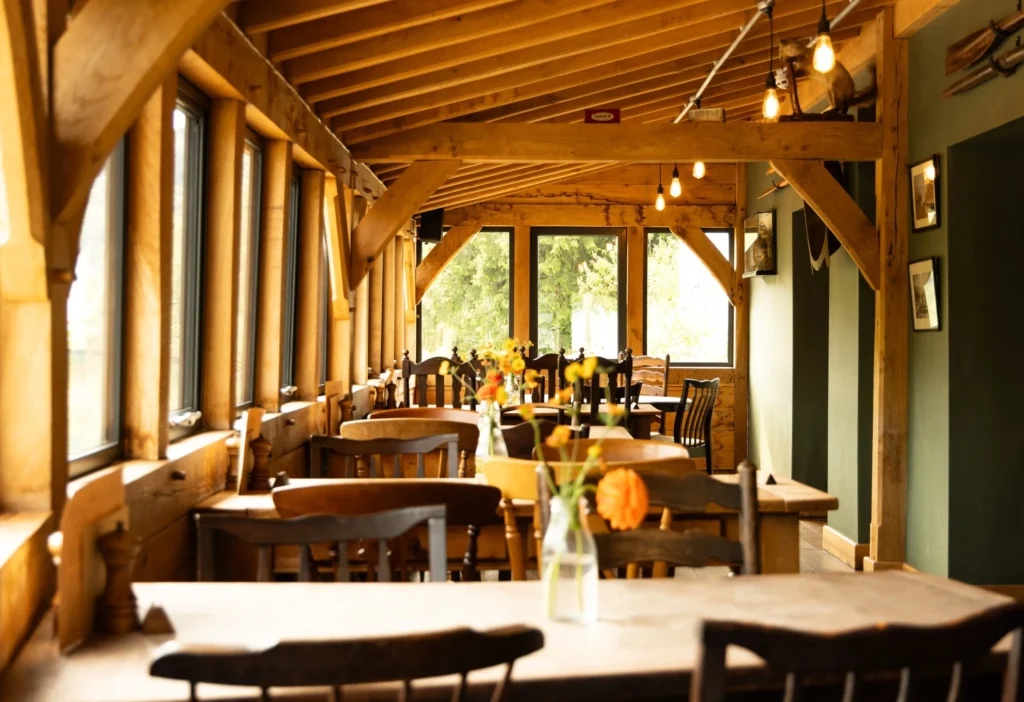
Why Choose a Traditional Inn?
Choosing a Traditional Inn speaks to travelers who value more than a clean bed, seeking a stay that nourishes curiosity, invites quiet conversations with locals, and anchors a trip in the enduring rhythms of a town’s everyday life, where every hallway carries a story and every corner invites you to pause, notice, and savor the heritage expressed through brickwork, timber details, period fittings, and a friendly, unobtrusive staff that remembers your name after your first visit, while the communal areas invite discussion about local crafts, history, and seasonal events.
The appeal goes beyond nostalgia, blending artisanal dining, walkable routes to historic sites, comfortable sleeping environments, and practical amenities that function in harmony with centuries of design, so you can relax without sacrificing modern reliability, privacy, or safety, and so your mornings begin with a gentle ritual rather than a rushed routine.
- Historic charm translates into guest rooms that reflect the era of origin with sturdy timber, tasteful fabrics, and quietly attentive service that respects your pace.
- Location matters, with inns tucked beside cobbled streets, markets, and riverside paths that invite morning strolls and evenings of storytelling in a familiar setting.
- Food and drink embody time honored hospitality, featuring locally sourced ingredients, recipes passed down through generations, and a warm welcome that makes even travel fatigue fade.
- Personal touches from hosts, such as a handwritten note or a tailored itinerary, transform a stay into a memorable hospitality experience rather than a routine booking.
- A sense of heritage can be energized by modern comforts like reliable wifi, ensuite bathrooms, and quiet rooms that coexist with historic features.
- Respect quiet hours and minimize disturbances in shared spaces, so conversations in the public rooms remain pleasant for all guests and the inn’s family ambiance endures.
- Opt for a longer stay if possible to truly absorb the place, allowing your senses to adapt to the period atmosphere while still benefiting from reliable modern services.
Choosing a traditional inn often means embracing a slower pace, where conversations with hosts reveal local legends and hidden corners you would miss in a more uniform environment. This approach preserves the inn as a living archive rather than a static display, making your visit both educational and emotionally resonant.
What to Expect During Your Stay
Most historic inns offer a balance between period ambiance and practical comforts. You can expect well kept, characterful rooms, with furnishings that tell a story while being arranged to support restful sleep. The staff are usually nearby and attentive, trained to anticipate basic needs without intruding on your privacy. Breakfast often features local produce and a choice of hot dishes, served in a dining room that has hosted generations of travelers. In short, the atmosphere is intimate, the pace is slower, and the sense of belonging comes from shared spaces and familiar routines.
Evenings may bring a quiet lounge, library, or dining area where guests mingle with regulars and hosts as you plan the next day’s itinerary. If you value sustainability, many inns emphasize energy efficiency and responsible sourcing while maintaining a classic look. Wifi is commonly available, though speeds may vary and signal can be stronger in public areas. Rooms vary in size and layout, with some offering four poster beds or fireplaces, while others provide compact spaces that still retain period character. Expect careful attention to sound levels, light control, and a reasonable approach to heating that respects the building’s structure.
Accessibility can vary; if mobility is a concern, call ahead to confirm elevator access or ground floor rooms. Check in and check out times are typically posted, and many inns are flexible when arrangements are made in advance. Parking is usually on site or nearby, sometimes with a small fee, and staff can advise on the best routes for walking into town. The innkeepers will usually share local walking routes, markets, and seasonal events, blending practical guidance with storytelling. If you have dietary restrictions, inform them ahead of time so meals can accommodate you. Similar to how platforms such as Fortunica Casino focus on creating a smooth and welcoming user experience, the best historic inns strive to make every guest feel comfortable through thoughtful service, clear communication, and attention to detail.
How Inns Preserve Historical Character
Preservation at historic inns is a practice grounded in respect for craft and place, with decisions guided by the balance between safeguarding rare architectural features and providing guests with reliable, comfortable spaces. The work often begins with careful assessments by conservation specialists who map out the best way to restore plaster, timber, brickwork, and flooring, while engineers ensure that electrical systems and fire safety meet modern standards. Property teams consult heritage charters, consult neighbors, and document changes so that every repair carries a record of why it mattered.
| Method | Description | Example |
|---|---|---|
| Restoration | Careful repair of original features such as timber beams, plaster, and flooring to preserve character while meeting current safety standards. | Georgian wing beam consolidation |
| Adaptive Reuse | Reusing outbuildings like stables or carriage houses as guest rooms or lounges, maintaining historic appearance while improving functionality. | Stables converted to boutique suites |
| Modern Amenities Integration | Discreetly updating plumbing, heating, and electrical systems to support comfort without erasing period details. | Underfloor heating in historic rooms |
| Documentation and Storytelling | Signage, plaques, guided tours, and curated archives that educate guests about the property and area. | Heritage plaques and small museum corners |
These approaches show how a building’s memory can be kept alive while remaining a functioning hotel. By combining craft with contemporary service, inns offer travelers both immersion and reliability.
Tips for a Comfortable Stay
Begin with a practical mindset, then let curiosity guide your choices, because a comfortable stay in a historic setting often hinges on small, thoughtful decisions that shape your daily rhythm, from what you pack to how you pace your mornings, and on how you balance reverence for the past with reasonable expectations for contemporary comfort.
The items below encourage you to balance comfort with immersion, so you can enjoy classic features without overcomplicating travel, ensuring your time is spent on discovery rather than logistics, while leaving room for spontaneous encounters with locals.
- Pack for local weather and layer clothing to adapt to historic buildings where central heating may be less uniform, allowing you to stay comfortable without sacrificing the bedroom’s vintage ambiance.
- Request a room away from stairwells if you value quiet, and ask about floor plans to choose a layout that suits your needs for rest, reading, or work.
- Engage with hosts about local walking routes, cafés, and hidden gems, since innkeepers often offer personalized recommendations based on seasonal events and friendly conversations.
- Respect quiet hours and minimize disturbances in shared spaces, so conversations in the public rooms remain pleasant for all guests and the inn’s family ambiance endures.
- Share feedback with staff kindly, as constructive notes about heating, lighting, or noise helps preserve the historic character while improving comfort for future guests.
- Opt for a longer stay if possible to truly absorb the place, allowing your senses to adapt to the period atmosphere while still benefiting from reliable modern services.
With that balance, you can linger in the lounge, savoring a warm drink as the building’s history surrounds you, and then retire to a comfortable room that respects its past. The goal is a stay that feels timeless yet practical, a foundation for days of exploration and evenings of reflection without sacrificing conveniences you expect.
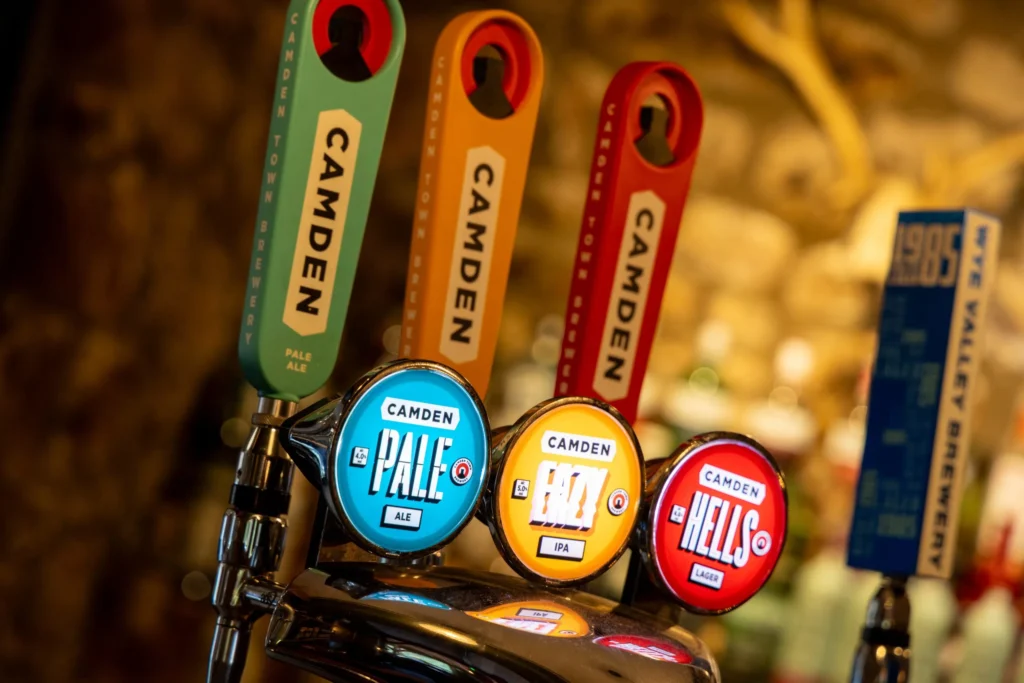
Key Features and Amenities
Key features and amenities at traditional inns like Old Town Inn begin with a commitment to preservation of architectural character while ensuring guest comfort through thoughtful modernization.
Visitors are drawn to Historic Charm in the fabric of the building, from timber framing and period fireplaces to hand-crafted joinery, plaster finishes, and carefully restored flooring that nod to time-honored craft.
Beyond aesthetics, these inns deliver practical benefits that align with modern travel expectations—reliable heating, robust Wi-Fi, and well-lit workspaces—so you can work, rest, and explore without compromising ambiance.
Room layouts, furnishings, and public spaces emphasize a sense of intimacy and character, while service embodies Old-world Hospitality through attentive staff, curated local experiences, and a welcoming, communal atmosphere.
This guide will highlight key features, from architectural design cues and room types to typical amenities and accessibility considerations, helping travelers choose Classic Inns that celebrate Historical Accommodation without sacrificing comfort.
Common Architectural and Design Features
Traditional inns reveal period architecture and signature design elements that tell the story of their surroundings. In places like Old Town Inn, the façade often presents timber framing, steep roofs, and brick chimneys, while the interior showcases exposed beams, plaster walls, and carved stair rails that speak to centuries of craft. Low, intimate spaces with leaded or sash windows invite natural light, and you may find inglenook hearths or cozy corners where guests gather. The overall impression is of a time-honored hostelry that remains anchored in place, yet quietly adaptive to modern comfort. This blend creates an atmosphere of Historic Charm that distinguishes a traditional inn from more generic accommodations.
Signature design elements often include wainscoted walls, paneled doors, brass hardware, and period lighting that casts a warm glow in the evenings. Floors may feature quarry tiles, worn timber planks, or antique rugs that soften footsteps and add color. Furnishings are typically sturdy and practical, with heavy wardrobes, writing desks, upholstered chairs, and textiles in rich, muted tones that echo local heritage. Rather than a cold, clinical look, the space embraces a lived-in feel that invites guests to pause, reflect, and soak in the sense of place. Even when modernization is present, it harmonizes with the building envelope to preserve a sense of time-honored hostelry.
Attention to acoustics, warmth, and light helps create intimate lounges and reading nooks where guests can unwind after travel. Historical accommodations often leverage architectural quirks, such as nooks beside stairwells or alcoves with plush seating, to encourage conversation and slower-paced exploration of the inn. The design philosophy centers on comfort without compromising character.
Together, these features embody Traditional Inns with Historic Charm, offering a living reminder of antique residences that still welcome modern travelers seeking a sense of heritage and authentic Old-world Hospitality.
Room Types and Furnishings
Room types at traditional inns range from cozy standards to generous suites, all furnished to reflect a historical character while providing modern comfort and practical space planning for guests.
Careful configuration and thoughtful detailing help guests compare configurations at a glance, appreciating how the furnishings and layout contribute to the atmosphere without compromising usability.
| Room Type | Bed | Typical Size | Signature Furnishings | View | Accessibility |
|---|---|---|---|---|---|
| Standard Room | Double bed | 14–16 m² | Carved headboard, antique wardrobe, reading chair | Street view | Stairs access only |
| Classic Double | Queen bed | 16–20 m² | Upholstered headboard, dressing table, period lamps | Court view | Elevator access varies |
| Deluxe Suite | King bed | 28–40 m² | Separate seating area, antique fireplace, roll-top desk | Town or park view | Yes some rooms |
| Attic Loft | Twin or king | 18–22 m² | Exposed beams, skylights, built-in storage | Quiet attic view | Limited accessibility |
Room types reflect a respect for heritage while offering clear guidance to help guests select spaces that balance character and practicality.
Amenities: What’s Usually Included
At traditional inns you can expect a blend of timeless hospitality and contemporary convenience, with a focus on consistent comfort across guest rooms and public spaces.
The following inclusions illustrate typical expectations for a classic inn experience, emphasizing reliable services and thoughtful touches that enhance any stay.
- Complimentary high-speed Wi-Fi available in all rooms and public spaces, providing reliable connectivity for work, travel updates, and streaming without interruption.
- Refreshments and tea or coffee in guestrooms, plus a well-appointed minibar or hospitality tray featuring local biscuits and seasonal treats.
- Daily housekeeping with fresh linens and towels, optional turndown service in the evening, and thoughtful touches like antique-inspired toiletries in every bathroom.
- On-site dining options include a traditional pub or cafe serving hearty breakfasts, seasonal dishes, and locally sourced ingredients to accompany your stay.
- Guest laundry and dry-cleaning services, luggage storage, and front-desk staff available around the clock to help with sightseeing plans and travel arrangements.
These essentials create a reliable framework that lets guests enjoy the inn’s character without worrying about basic logistics or comfort.
By prioritizing value, consistency, and local flavor, traditional inns deliver a memorable experience that blends heritage with everyday practicality.
Accessibility and Modern Conveniences
Accessibility and modern conveniences in historic inns require a careful balance between preserving building fabric and providing inclusive access. Managers may offer level entry points, ramps where feasible, wider doorways, accessible bathrooms, and non-slip surfaces in common areas to support guests with mobility needs, while preserving timber, plaster, and stone features that define the property.
Where full accessibility is not possible in older structures, staff guide guests to suitable rooms and routes, arrange quiet or ground-floor options, and provide advance information so travelers can plan accordingly.
Modern conveniences are integrated discreetly, with robust Wi-Fi, climate control, and smart lighting designed to respect the building’s character. Public spaces are arranged to minimize corridors or thresholds that hinder movement, while signage uses clear typography and visual cues to aid navigation for all guests.

Comparative Benefits vs. Modern Accommodations
Choosing where to stay can shape how you experience a destination as much as the sights you visit. Traditional inns offer a tangible link to a place in time, where historic charm meets day to day life. Modern accommodations emphasize predictability, speed, and consistent service. This section compares the benefits of staying in traditional inns with the conveniences of contemporary hotels. By weighing atmosphere, service, value, and appropriate scenarios, travelers can align their lodging with their plans and preferences.
Atmosphere and Authenticity
The atmosphere in a traditional inn is built into its bones. Exposed beams, thick walls, and a central fireplace create a sense of history as soon as you step inside. The common rooms often feel lived in rather than designed, with mismatched furniture and a rhythm that mirrors the town. Guests are invited to linger over meals or a drink, letting the place set the pace for the day. This traditional backdrop embodies historic charm and the idea of antique residences that have adapted to modern travel needs. For many travelers this is the essence of Traditional Inns and Old-world Hospitality.
Rooms preserve period features while keeping comfort within reach. You may find a four poster bed, creaky shutters, or a bath with a freestanding tub paired with reliable wifi and a strong shower. The balance between preservation and update varies by property, with tasteful renovations that protect character while meeting modern safety standards. In this way historic accommodation blends old world aesthetics with practical improvements, creating an authentic but comfortable stay.
Social spaces are part of the appeal. Inns encourage conversation and shared experiences, from a hearty breakfast to evenings by a hearth. Staff often know visitors by name and offer tailored tips for exploring the local area, markets, and hidden corners of the town. Guests may join a communal table or a small gathering where travelers swap stories, forming a quiet sense of community that you rarely encounter in slick hotel lobbies.
Compared with modern hotels, traditional inns emphasize atmosphere over predictability. The pace can be slower, but the payoff is a stronger sense of place and memory. Characterful interiors, timeless service, and connections to local traditions create a travel narrative that complements time away from home.
For travelers seeking a tangible link to a place with heritage value, an inn offers a practical and meaningful base for exploring. This is the essence of accommodation heritage and old world hospitality, where each stay contributes to a broader sense of discovery.
Service, Personalization, and Community
Service in an inn is often personal by design. Small teams know guests by name, adjust settings to preferences, and respond quickly to dietary needs or special occasions. The pace allows flexible check ins, bespoke recommendations, and thoughtful touches such as a tea tray at dusk.
Local engagement is a hallmark. Inn staff frequently partner with nearby farms, markets, and guides, sharing hidden gems and seasonal events. Guests may be invited to a tasting, a short walking tour, or a workshop that highlights the towns heritage and the provenance of its food and crafts.
Community and connection are easy to find in a well run inn. Communal dining or cozy drawing rooms encourage conversation with hosts and fellow travelers, turning a standard stay into a shared experience. That personal contact is a core component of Time-honored Hostelry and Charming Guesthouses.
Of course service can vary, and during peak periods some tasks may take longer or feel less polished than in a high end hotel. This is part of the trade off for the intimacy and flexibility that traditional inns offer. Still, many guests view these moments as part of the character and charm rather than a flaw.
Overall the blend of personal service and local engagement adds depth to the stay, making a traditional inn more than a place to sleep. It is a living example of heritage hotels with modern amenities that still prioritize human connection and community.
Value for Money and Cost Considerations
Value for money in a traditional inn is often linked to the quality of the experience rather than the size of the room. Rates may reflect location, season, and the care given to historic details, yet many inns include breakfast, a crafted dinner, or access to public spaces that enhance value. In practice you often pay a bit more per night for character, careful restoration, and a sense of place that hotels seldom replicate.
To maximize value, consider booking direct, avoiding add on fees, and choosing midweek stays when rates are friendlier. Look for properties that publish clear policies on breakfast and amenities, and compare what is included with nearby modern options. A thoughtful plan can yield a memorable trip without overspending.
Budget minded travelers can prioritize heritage rooms with the best access to public spaces or the most character while balancing basic comfort and modern facilities. Seek properties that combine antique residences with practical touches like reliable wifi, heated bathrooms, and secure parking.
Remember that cost savings often come with trade offs in space, speed, or flexibility. If you value privacy and predictability above all, a modern hotel may represent better value for money even if it lacks the same depth of storytelling.
In short, value for money hinges on what you value most: a sense of history, a central location, and personal service, or standardized efficiency and predictable routines. Historic accommodation shines when the experience matters as much as the bed you sleep in.
When a Modern Hotel Might Be Better
There are moments when a modern hotel can better fit the plan. If you are traveling for business, you may need reliable high speed wifi, conference spaces, and a predictable work environment that a chain hotel reliably provides. If you are city hopping with a tight schedule, speed of check in and retrieval of luggage becomes practical and saves time that adds up on a busy itinerary.
Families and groups often appreciate the consistent family friendly layouts, child friendly meals, and guaranteed extra beds that standard hotels routinely offer. In destinations where accessibility is essential, modern hotels frequently provide elevator access, clear signage, and rooms designed for mobility needs that can be harder to find in historic inns.
When you travel with exacting loyalty programs, a large hotel network can deliver points, status, and consistent service across cities. And for travelers seeking extensive on site facilities such as fitness centers, spas, or 24 hour room service, a modern property can deliver amenities that a small inn may not match.
Finally, in destinations where nightlife or noise is a concern, a modern hotel with soundproofed rooms and location further from busy pubs can reduce sleep disruption.
In short, a contemporary hotel may be the preferable choice when pace, accessibility, or a specific set of facilities shapes the trip more than a sense of place and heritage.

Pricing, Packages, and Special Offers
Pricing for stays at traditional inns like Old Town Inn reflects a blend of seasonality, room type, and how far in advance you book. Peak periods tied to holidays, festivals, and school breaks push demand higher, while midweek nights and off-peak dates often bring more favorable rates. The length of your stay and the inclusion of meals or experiences can stretch or shorten the implied nightly price, especially when tiered rates apply for multi-night visits. The historic charm, original furnishings, and intimate atmosphere frequently carry a premium, but there are smart ways to secure great value through packages and flexible options. To compare value effectively, look beyond the headline rate and consider what’s included, any cancellation terms, and the opportunity to mix services with a local experience.
Understanding Price Variability
Prices at traditional inns like Old Town Inn vary with the rhythm of the year, and the most noticeable shifts come from seasonality and local events. Peak seasons—festive markets, summer holidays, and long weekends—tighten supply and push nightly rates higher, while midweek stays and off-peak times often see more favorable pricing. The length of your stay can also influence the average rate; many inns offer incremental discounts for two or more nights, rewarding guests who settle in for a longer visit. Room category matters a great deal either way: a standard double typically costs less than a historic suite adorned with period furniture, antiques, and a view that resonates with the inn’s heritage. Finally, how far in advance you book affects availability and price, with early commitments yielding better odds of securing a lower rate or a preferred room.
Occupancy and demand are fundamental drivers of price, but so are the property’s approach to modernization. An inn that preserves its historic character while offering reliable Wi‑Fi, private bathrooms, and contemporary heating often commands higher rates than a more rustic alternative that preserves only a shared bathroom or limited facilities. Location within a town also matters: inns tucked beside medieval streets, close to notable landmarks, or near transport hubs understandably ring higher bells than those tucked away on quieter lanes. Tax, breakfast inclusion, and optional experiences add-ons can further shape the final bill, even when the base room rate stays constant.
Promotions and dynamic pricing tools influence what you finally pay. Some houses publish seasonal promos, short-visit deals, or loyalty offers for returning guests, while others rely on opaque dynamic pricing that adjusts by the minute as demand fluctuates. Packages that bundle a room with meals, guided walks, or tickets to nearby attractions can either raise the headline rate or reduce overall spend when taken together, depending on the value of the inclusions. If you watch for bundled offers, you may discover a higher upfront price in return for convenience, or a lower total cost when the package aligns with your plans.
To judge true value, compare like-for-like options—check included meals, whether taxes and fees are included, and what the cancellation terms permit. Always ask about unpublished or direct-booking rates that may beat third-party listings, and consider whether a refundable rate suits your flexibility. If a stay involves special events or long-term parking, factor those extras into the real cost. In short, understanding price variability means looking at the whole package: the room, the amenities, and the unique heritage experience that makes a Classic Inn worth its place in your travel story.
Common Package Types and Seasonal Offers
Inns with heritage charm often offer packages designed to simplify a memorable stay. Common package types include bed-and-breakfast deals that bundle a room with a hearty morning meal, romantic escapes that add flowers and chocolates, and family-friendly options that include extra bedding or local activity passes. For travelers seeking culture, some packages pair accommodation with guided heritage walks or tickets to nearby castles, museums, or gardens. These bundles can provide better value than paying for each element separately, especially when booked directly with the inn.
Seasonal offers are a staple, with discounts or added perks tied to spring blossoms, summer concerts, autumn foliage, and winter market periods. Inns may promote midweek breaks when demand is lower, or run long-stay incentives during off-peak weeks. In high-demand periods, promotional extras such as late checkout or included parking can tilt the decision toward a particular property. When planning a stay around a local festival, check whether the inn has a dedicated package that coordinates room nights with event tickets or curated experiences.
For historic properties, packages that emphasize time-honored hospitality—afternoon tea in a drawing room, a private tour of a nearby historic site, or a curated itinerary of antiquities—can significantly enhance value. It’s common to see packages that combine a room with meals, local transportation, and small touches of nostalgia, like a copy of a regional guide or a keepsake from the town’s craft shops. When comparing offers, calculate whether the included experiences replace separate purchases and whether they suit your interests and pace.
To maximize benefit, read the terms of each package, note what’s mandatory and what’s optional, and verify cancellation rules for bundled rates. Look for packages that clearly state inclusions, pre-bookable experiences, and any blackout dates. If you prefer flexibility, ask the inn about building a custom package from available add-ons or using a points/loyalty system. A well-chosen package can transform a stay from a simple room rate to a curated, historically resonant experience without paying a premium merely for the privilege of convenience.
How to Find and Book the Best Rates
Finding the best rates for a stay in a historic inn hinges on smart timing, comparison, and a bit of insider know-how. Start by listing your preferred date ranges, room type, and any must-have amenities, then scan multiple channels to see how the price varies across platforms. Seasonal fluctuations will show up quickly, but so will quieter weeks that may yield unexpectedly favorable quotes for a room with classic charm and updated comforts. Remember that the inn’s own booking engine may offer unpublished rates or package combinations that aren’t visible on third‑party sites. By understanding how demand shifts, you can target the moments when value aligns with your plans.
Begin with the inn’s official site, which often includes the best-room-one-price guarantees, loyalty rates, or exclusive add-ons like free parking or a breakfast upgrade. Set price alerts on major booking platforms and search with flexible dates to compare nearby days; the difference can be substantial. If you’re traveling with partners or family, call the property directly to explore whether a negotiated multi-night rate or a family suite is possible, which can beat standard online rates. Don’t ignore last-minute deals when your travel plans are open; some traditional inns still offer attractive discounts close to arrival, especially during shoulder seasons.
When using third-party sites, read the fine print for taxes, service charges, and cancellation terms, since these can alter the apparent rate. Ask about price matching or direct-booking promotions that might be available if you commit soon but still want flexibility. If travel rewards or credit-card perks apply, factor those benefits into the overall value. Consider requesting a room with the best view or the nicest four-poster bed as part of a price‑negotiation, but be prepared to adjust expectations if the rate is driven by high demand. Finally, compare what you get for the same price: breakfast, parking, Wi‑Fi, and the chance to experience old-world hospitality in a modern setting.
In practice, good value comes from balancing cost with inclusions, location, and the quality of the guest experience. Keep a short list of target inns, watch for seasonal promos, and be ready to move dates if a better rate appears. If a rate seems slightly high, check whether the inn is including upgrades or local experiences that would otherwise cost extra. By pairing thorough research with a flexible mindset and a clear sense of your priorities—historic setting, comfortable rooms, good breakfast—your odds of securing the best rate rise significantly.
Cancellation Policies, Fees, and Refunds
Cancellation policies for traditional inns tend to balance guest flexibility with the needs of small, heritage properties. Many inns offer a window of free cancellation ranging from 24 to 72 hours before arrival, while popular dates or special packages may carry stricter terms. Some rates are non‑refundable or partially refundable, reflecting the effort involved in holding a historic room and maintaining a unique guest experience. Always verify whether the price includes breakfast, parking, or local taxes, since these inclusions affect the real cost if plans change. Understanding the policy before you book helps you avoid surprises and plan a trip with confidence.
Refund terms vary by rate type, not by property alone. A fully flexible rate might allow free changes or cancellations up to a day or two before arrival, while a semi‑refundable option could impose a small fee if you modify the dates. Non‑refundable rates are typically less expensive but commit you to the room even if plans change. If you’re traveling during peak events or in periods with high demand, the inn may require a non‑refundable payment at booking, or a partial deposit up front that becomes non-refundable after a grace period.
Understanding potential penalties is essential, especially when a historic property cannot easily replace a cancelled booking. In many cases, if you cancel within the allowed window, you’ll receive a full refund or a credit toward a future stay. If you cancel outside that window, you may lose the deposit or the entire payment, depending on the rate type. Some inns offer courtesy waivers for genuine travel disruptions or force majeure, but these exceptions are not guaranteed and often require documentation. Always ask for a written confirmation of the cancellation policy to avoid misunderstandings.
Tips for guests: keep a copy of the policy, take screenshots of key terms, and consider travel insurance that covers lodging cancellations. When in doubt, contact the inn directly to confirm how a policy would apply to your dates and booking type, and inquire about any upcoming changes or seasonal exceptions. Clear communication at the outset helps ensure you won’t face unexpected fees and that you have the flexibility you need while preserving the historic charm and high standard of service you expect from a time‑honored hostelry.